Horizontal Business Web Banner Templates: A Practical Guide to Effective Design
Horizontal business web banner templates are essential tools for creating visually appealing and professional website headers. These templates provide a structured layout that aligns with modern design trends, making them ideal for businesses looking to establish a strong online presence. Whether you're launching a new brand or updating an existing site, understanding how to choose and use these templates can significantly impact your digital strategy.
What Are Horizontal Business Web Banner Templates?
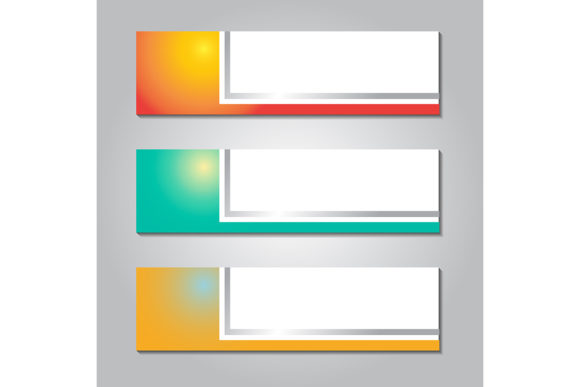
Horizontal business web banner templates are pre-designed layouts that fit the width of a webpage, typically spanning from left to right. They often include sections for logos, navigation menus, call-to-action buttons, and other key elements. These templates are designed to be adaptable, allowing users to customize colors, fonts, and imagery to match their brand identity.
For businesses, these banners serve as the first point of contact for visitors. A well-designed banner can enhance user experience, reinforce brand messaging, and improve overall engagement. However, the effectiveness of these templates depends on how they are selected and implemented.
Common Mistakes in Choosing and Using Horizontal Business Web Banner Templates
Many users make critical errors when selecting or using horizontal business web banner templates. One common mistake is choosing a template that doesn’t align with the brand’s visual identity. A mismatched color scheme or inconsistent typography can confuse visitors and weaken brand recognition.
Another frequent issue is overloading the banner with too much information. A cluttered design can overwhelm users and reduce the clarity of the message. It's important to focus on key elements such as the logo, main navigation, and a clear call-to-action.
Some users also neglect to consider the technical aspects of the template. For example, not checking if the template is responsive across different devices can lead to poor performance on mobile platforms, which is a major concern given the high volume of mobile traffic.
How These Mistakes Affect Results
Choosing the wrong template can lead to several negative outcomes. Poorly designed banners may fail to capture attention, resulting in lower click-through rates and reduced conversions. Inconsistent branding can confuse customers, making it harder for them to connect with the business.
Additionally, technical issues like non-responsive designs can frustrate users, leading to higher bounce rates and a poor user experience. This can harm search engine rankings, as search engines prioritize sites that offer a seamless browsing experience.
Practical Advice for Avoiding Common Pitfalls
To avoid these mistakes, start by defining your brand’s visual identity. Choose a template that reflects your brand’s colors, fonts, and overall style. This ensures consistency and strengthens brand recognition.
When selecting a template, focus on simplicity. A clean, uncluttered design is more effective than one that tries to include too many elements. Prioritize the most important information and make sure it's easy to find and understand.
Before finalizing a template, test it on different devices to ensure it works well on desktops, tablets, and smartphones. This helps maintain a consistent user experience across all platforms.
What to Check Before Making a Decision
Before purchasing or downloading a horizontal business web banner template, review the following factors:
- Compatibility: Ensure the template works with your content management system (CMS) or website builder.
- Customization Options: Check if you can easily change colors, fonts, and images without advanced coding skills.
- Responsive Design: Verify that the template adjusts properly to different screen sizes.
- Support and Updates: Look for templates that come with customer support and regular updates to address any issues.
By considering these factors, you can make a more informed decision and avoid potential problems down the line.
Realistic Examples and Better Approaches
Consider a small e-commerce business that wants to update its website. Instead of choosing a generic template, the owner selects a horizontal business web banner template that matches their brand’s color palette and includes a clear call-to-action for promotions. This results in a more cohesive design and improved user engagement.
Another example is a tech startup that initially uses a complex banner with too many icons and text. After realizing the design was confusing, they switch to a simpler template that highlights their core message and features. The result is a more professional appearance and increased trust from visitors.
Conclusion: Make Informed Choices for Better Outcomes
Horizontal business web banner templates are powerful tools for enhancing your website’s design and functionality. By understanding common mistakes and taking practical steps to avoid them, you can create a more effective and professional online presence. Focus on alignment with your brand, simplicity in design, and technical compatibility to ensure long-term success.